Understanding Hair Oils in Modern Hair Care Routines | Nature’s Wave
Introduction:
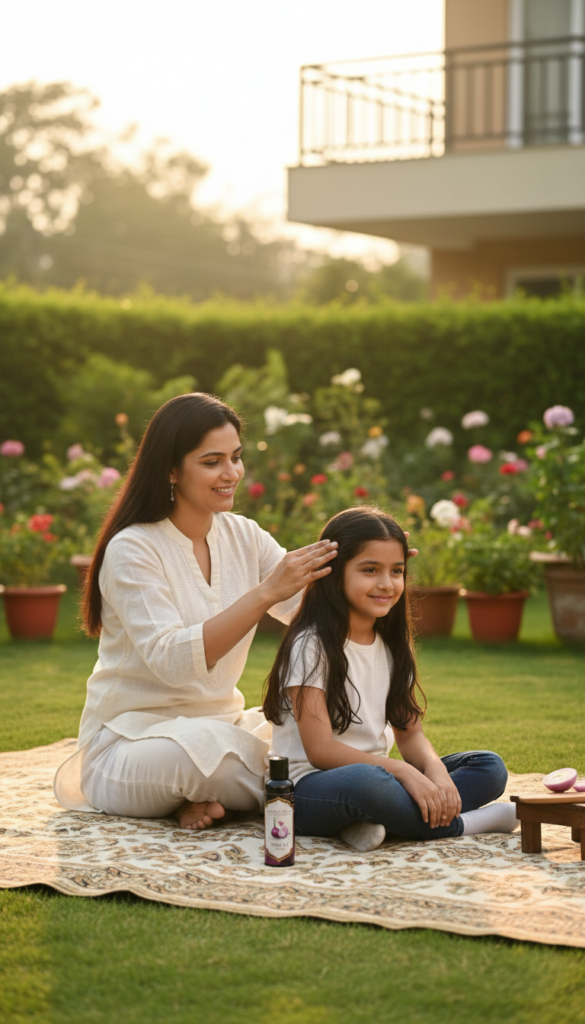
Hair oils have been used for decades as part of regular hair care routines.
In modern personal care, oils are no longer viewed as quick solutions, but as supportive elements in long-term hair maintenance and scalp care practices.
Today, both traditional and contemporary routines include oiling as a preparatory or supportive step rather than a standalone treatment.
Hair Oils and Routine-Based Hair Care
In routine-based hair care, oils are commonly applied before washing the hair or during scalp massage.
This practice is often followed weekly and is intended to support manageability, scalp comfort, and overall hair feel.
Modern formulations focus on:
- Ease of application
- Compatibility with regular washing
- Balanced oil textures for routine use
Consistency, rather than intensity, plays a key role in oil-based hair care.
Traditional Use vs Modern Expectations
Traditionally, hair oils were used generously and left on the scalp for extended periods.
In modern routines, oiling practices are more structured and adapted to lifestyle needs.
Current users often prefer:
- Pre-wash oiling
- Light to medium oil textures
- Oils that fit into busy routines
This shift reflects a move from heavy treatments toward maintenance-focused care.
Common Types of Hair Oils in Personal Care
Hair care routines today may include different oils depending on preference and usage style, such as:
- Oils used for scalp massage
- Oils used before cleansing
- Oils included as part of blended formulations
The focus is not on a single ingredient, but on how oils function within an overall routine.
Role of Formulation in Hair Oils
The effectiveness of a hair oil routine depends on formulation balance rather than ingredient quantity alone.
Well-designed oils are intended to complement regular washing, scalp hygiene, and long-term care habits.
Personal care brands increasingly design oils to align with:
- Weekly routines
- Scalp comfort
- Regular maintenance needs
Oil Use as Part of a Complete Hair Care System
Hair oils work best when used alongside other hair care steps such as cleansing and routine maintenance.
They are not meant to replace washing or basic scalp care, but to support them.
This integrated approach helps users maintain consistency without overdependence on a single product type.Choose best Hair Oil in 2026
Conclusion
Hair oils continue to play an important role in modern hair care when used thoughtfully and consistently.
Routine-based oiling supports long-term care habits rather than immediate outcomes.
Brands that understand oil usage within a complete hair care system are better positioned to meet modern personal care needs.
Frequently Asked Questions
Q1: Which herbal hair oil is best for hair fall in Pakistan?
A: Herbal hair oils containing onion and rosemary extracts are commonly used to reduce hair fall and improve scalp health. Nature’s Wave offers carefully formulated herbal oils designed for Pakistani hair needs.
Q2: Can herbal shampoo help with hair fall?
A: Yes, herbal shampoos free from harsh chemicals can help strengthen hair roots and reduce hair fall when used consistently. Choosing the right shampoo for your hair type is essential.
Q3: Why is herbal hair care important for Pakistani hair?
A: Pakistani hair is often exposed to hard water, pollution, and heat. Herbal hair care helps maintain scalp balance and long-term hair health.
At Nature’s Wave, we focus on educating customers and offering honest hair care solutions tailored for Pakistani hair conditions.