Dandruff Treatment in Pakistan — Best Herbal Remedies 2026
Dandruff Treatment in Pakistan — Best Herbal Remedies That Actually Work
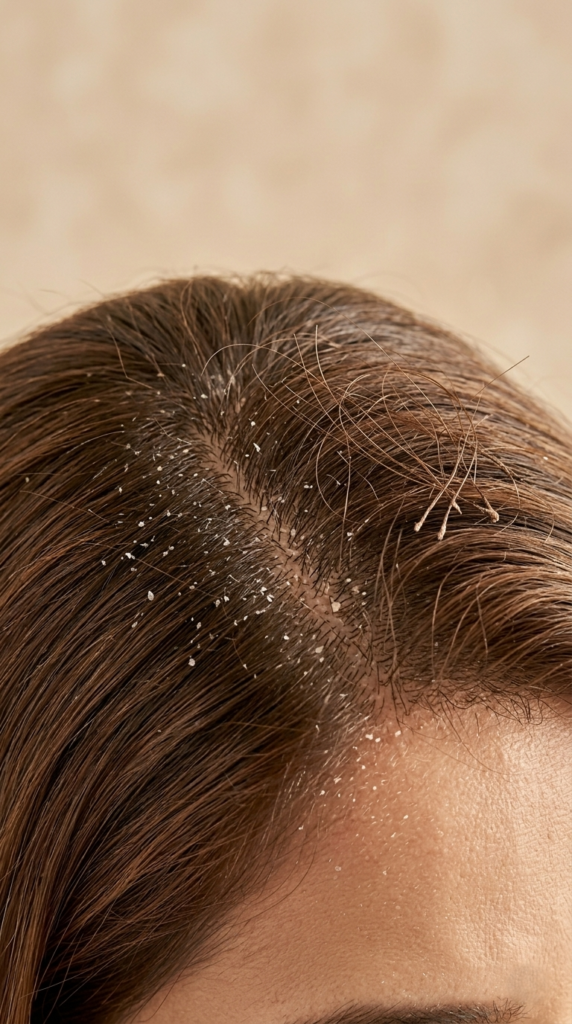
There is something deeply frustrating about dandruff. You wear a dark shirt and spend the entire day conscious of white flakes on your shoulders. You try shampoo after shampoo. Some work for a week or two. Then the flakes come back — sometimes worse than before.
If this sounds familiar, you are not alone. Dandruff is one of the most common scalp problems in Pakistan — and one of the most misunderstood.
Most people treat dandruff the wrong way. They fight the symptom instead of the cause. This guide is different. We are going to explain exactly what is happening on your scalp, why chemical shampoos keep failing, and which herbal remedies actually fix the problem — from the root.
Why Is Dandruff So Common in Pakistan?
Dandruff affects people all over the world — but Pakistan’s specific environment makes it significantly worse for people here.
Dandruff is a common scalp disorder associated with itching, excessive scaling, redness, and hair fall. It affects more than 50% of humans globally and cannot be completely eradicated — but it can be effectively controlled and managed. In Pakistan, these numbers are even higher because of factors that most imported anti-dandruff products are not designed for:
Hard water in Lahore, Karachi, Faisalabad, and Islamabad deposits calcium and magnesium on the scalp after every wash. This disrupts the scalp’s natural pH balance and creates conditions where dandruff-causing fungi thrive.
Extreme heat and humidity during Pakistan’s summer season creates the perfect warm, moist environment for fungal growth on the scalp.
Dust and pollution from Pakistan’s urban environment clogs hair follicles constantly — preventing the scalp from breathing and cleaning itself naturally.
Chemical shampoos — used by most Pakistanis — strip the scalp of its natural protective oils. The scalp responds by producing even more oil. More oil means more food for dandruff-causing fungi.
Understanding this specific combination is what separates a treatment that actually works from one that just temporarily hides the problem.
What Is Actually Causing Your Dandruff?
This is the question most people never ask — and it is the most important one.
The Malassezia Fungus — The Real Culprit
Dandruff is a chronic scalp condition and the mildest form of seborrheic dermatitis, associated with microbial imbalance primarily involving Malassezia furfur — a naturally occurring fungus present on every human scalp. Here is the key: Malassezia lives on everyone’s scalp. It only becomes a problem when it multiplies beyond normal levels. And what makes it multiply? Excess oil, disrupted pH, heat, and humidity — all of which Pakistan’s climate provides generously.
Oily Scalp
An oily scalp is the primary food source for Malassezia. When your scalp produces too much sebum — triggered by stress, hormonal changes, or over-washing with harsh shampoos — dandruff gets significantly worse.
Dry Scalp
Not all dandruff comes from oiliness. A dry scalp produces small, dry white flakes that look like dandruff but have a different cause entirely. The treatment approach is different too — which is why many people use the wrong product and see no improvement.
Hard Water
This is Pakistan-specific and massively underestimated. Hard water leaves mineral deposits on the scalp after every wash. Over time these deposits disrupt the scalp’s microbiome — the natural ecosystem of bacteria and fungi that keeps your scalp healthy and balanced. When this ecosystem is disturbed, harmful fungi like Malassezia take over.
Chemical Shampoo Overuse
This is where most people unknowingly make things worse. Chemical agents commonly found in anti-dandruff shampoos show various side effects including hair loss, irritation, and itching with prolonged use. More critically, they damage the scalp’s natural microbiome — so the moment you stop using them, dandruff returns worse than before. The shampoo was never fixing the problem. It was just suppressing it.
Why Chemical Anti-Dandruff Shampoos Keep Failing
Every major chemical anti-dandruff brand in Pakistan uses the same approach: antifungal agents that kill Malassezia on the scalp surface. For a few weeks it works. The flakes disappear. You feel like the problem is solved.
But here is what is actually happening underneath:
The chemical agents are also stripping your scalp’s natural oils and destroying its microbiome. When you stop or reduce usage — or even when your scalp adapts to the formula — the Malassezia fungus grows back rapidly. And now your scalp’s natural defences are weaker than before because the microbiome has been disrupted.
This is why you end up in a cycle of dependency. The shampoo becomes something you cannot stop using — not because it is curing you, but because stopping it makes things worse.
Studies have shown that herbal preparations are as effective as synthetic substances in controlling dandruff — both in laboratory and clinical studies. The crucial difference is that herbal treatments work with your scalp’s natural biology rather than overriding it — producing sustainable results rather than temporary suppression.
If you want to understand this difference in detail, read our full comparison: Herbal Shampoo vs Chemical Shampoo Pakistan — What the Difference Really Means
The Best Herbal Remedies for Dandruff in Pakistan
These are not random home remedies from WhatsApp groups. These are herbal ingredients with documented antifungal, anti-inflammatory, and scalp-healing properties — used for generations across Pakistan and South Asia, and increasingly validated by modern research.
1. Neem — Pakistan’s Most Powerful Natural Antifungal
Neem is arguably the most effective natural antifungal ingredient for scalp use. It contains active compounds — nimbidin and azadirachtin — with strong antifungal properties that directly target the Malassezia fungus responsible for dandruff.
The critical difference between neem and chemical antifungals is this: neem selectively targets harmful fungi while leaving the scalp’s beneficial bacteria intact. It does not destroy the microbiome — it restores its balance. This is why neem-based treatments produce sustainable long-term results rather than temporary relief followed by recurrence.
How to use: Mix a few drops of neem oil with coconut oil. Apply to the scalp, leave for one hour, and wash off with a gentle herbal shampoo. Use twice a week consistently.
2. Tea Tree Oil — Clinically Validated Antifungal
Tea tree oil is one of the most researched natural ingredients for dandruff treatment. Its primary active compound — terpinen-4-ol — has demonstrated strong antifungal activity against Malassezia in multiple clinical settings.
For Pakistani users dealing with both dandruff and scalp irritation from heat and hard water, tea tree oil offers a dual benefit: it addresses the fungal cause while simultaneously soothing the inflammation and itching that accompany dandruff.
How to use: Add 5 drops of tea tree oil to your regular herbal shampoo before washing. Never apply undiluted tea tree oil directly to the scalp as it is highly concentrated.
3. Aloe Vera — Scalp Balancer and pH Restorer
Aloe vera approaches dandruff differently from antifungal ingredients. Rather than directly killing the fungus, it balances the scalp’s pH and reduces inflammation — removing the environmental conditions that allow Malassezia to thrive in the first place.
For Pakistani women and men dealing with dandruff alongside scalp irritation from hard water and extreme heat, aloe vera is an essential part of any effective treatment routine. It also deeply hydrates the scalp — specifically addressing dry scalp dandruff that coconut oil cannot fully treat alone.
How to use: Apply fresh aloe vera gel directly to the scalp. Leave for 30 minutes and wash off with a mild herbal shampoo. Use three times per week for best results.
4. Shikakai and Ritha — Traditional Pakistani Scalp Cleansers
These two ingredients have been used across Pakistan and South Asia for scalp care for generations — and science is now confirming what traditional wisdom already knew.
Both shikakai and ritha cleanse the scalp thoroughly without stripping its natural oils. This is the opposite of what chemical shampoos do — and it is exactly what a dandruff-prone scalp needs. Shikakai is particularly effective because its naturally low pH closely matches the scalp’s ideal pH range of 4.5 to 5.5 — making it one of the most scalp-friendly cleansing ingredients available anywhere.
For Pakistani hair constantly exposed to hard water mineral buildup, dust, and pollution, shikakai and ritha help remove deposits from the scalp and unclog follicles — addressing one of the root causes of dandruff that most anti-dandruff shampoos completely ignore.
Our Nature’s Wave Herbal Shampoo contains both shikakai and ritha — formulated specifically for Pakistani scalp conditions.
5. Coconut Oil — Deep Scalp Nourisher and Antifungal
Coconut oil contains lauric acid — a fatty acid with documented antimicrobial and antifungal properties. For dry scalp dandruff specifically, coconut oil is one of the most effective treatments: it moisturizes the scalp deeply while simultaneously creating an environment where Malassezia cannot easily survive.
Coconut oil also prepares the scalp for other treatments by softening the flaky buildup — making it easier for antifungal ingredients like neem or tea tree oil to penetrate the scalp surface and work effectively.
How to use: Warm slightly and apply to the scalp. Massage gently for five minutes. Leave overnight and wash off in the morning with a herbal shampoo.
6. Apple Cider Vinegar — The pH Corrector for Hard Water Damage
Hard water in Pakistani cities raises the scalp’s pH significantly above its natural level. This disrupted pH is one of the primary reasons Pakistani hair suffers from persistent dandruff even after treatment.
Apple cider vinegar, with its natural acidity, restores the scalp’s pH balance — directly undermining the conditions that allow dandruff-causing fungi to flourish. It also removes hard water mineral deposits from the scalp surface — something most shampoos cannot do effectively.
How to use: Dilute apple cider vinegar with equal parts water. Apply to the scalp after shampooing, leave for two minutes, and rinse thoroughly. Use once a week — do not overuse as excess acidity can also irritate the scalp.
Your Complete Weekly Anti-Dandruff Herbal Routine
Consistency is everything with dandruff treatment. Here is a practical weekly routine that combines all of the above:
Sunday and Wednesday — Oil Treatment Night: Mix coconut oil with a few drops of neem oil. Apply to the scalp and massage for five minutes. Cover with a warm towel and leave overnight. Wash off in the morning with a herbal shampoo.
Every Wash Day — Herbal Shampoo Only: Replace your chemical anti-dandruff shampoo with a gentle herbal shampoo containing shikakai, ritha, or aloe vera. Consistent gentle cleansing without microbiome disruption is the foundation of long-term dandruff control.
Monday — Aloe Vera Scalp Treatment: Apply fresh aloe vera gel to the scalp. Leave for 30 minutes before your regular wash. This weekly treatment keeps scalp inflammation under control.
Saturday — Apple Cider Vinegar Rinse: After shampooing, apply diluted ACV to the scalp. Leave for two minutes and rinse. This weekly rinse removes hard water buildup and restores scalp pH.
Daily — What You Eat and Drink Matters: Drink minimum 8 to 10 glasses of water. Include zinc-rich foods — pumpkin seeds, eggs, and lentils — in your diet regularly. Reduce sugar intake because sugar directly feeds Malassezia and accelerates dandruff growth.
How Long Before You See Results?
This is the honest answer: most people notice a significant reduction in dandruff within three to four weeks of following a consistent herbal routine. Complete control typically takes six to eight weeks.
This is slower than a chemical shampoo that suppresses flakes within days — but the results are sustainable. You are not creating dependency. You are actually restoring your scalp’s health.
Patience and consistency are the two most important ingredients in any effective dandruff treatment.
When Should You See a Doctor?
Most dandruff responds well to consistent herbal treatment. However, consult a dermatologist if you experience:
- Severe redness, swelling, or open sores on the scalp
- Dandruff accompanied by significant sudden hair fall
- No improvement after eight weeks of consistent treatment
- Dandruff spreading to eyebrows, ears, or face — which may indicate seborrheic dermatitis requiring medical attention
Final Words
Dandruff is not a permanent condition. It is a scalp imbalance — and imbalances can be corrected.
In Pakistan’s specific environment — hard water, extreme heat, dust, and pollution — the most effective long-term approach is one that works with your scalp’s natural biology. Not one that suppresses symptoms temporarily while making the underlying problem worse.
The herbal remedies in this guide — neem, tea tree oil, aloe vera, shikakai, ritha, coconut oil, and apple cider vinegar — are not alternative medicine. They are scientifically supported, traditionally proven ingredients that restore scalp health rather than just masking its symptoms.
Consistency is the only thing standing between you and a dandruff-free scalp. Start today. Stay consistent. Give it eight weeks. The results will follow.
At Nature’s Wave, every product we make is built around this philosophy — authentic herbal ingredients formulated for Pakistani hair and scalp conditions. No misleading claims. No chemical shortcuts. Just honest herbal care that actually works.
For a complete picture of how dandruff connects to hair fall — and what to do about both — read our detailed guide: Hair Fall Treatment Pakistan — Complete Herbal Guide
Also worth reading: Best Hair Fall Solution in Pakistan — What Actually Works
And if you are still using a chemical shampoo — this will change your mind: Herbal Shampoo vs Chemical Shampoo Pakistan