
Hibiscus Shampoo for Hair Fall in Pakistan Hair Growth Solution
Introduction
Hair fall is one of the most common problems in Pakistan, especially due to hard water, pollution, and the excessive use of chemical-based shampoos. Many people try different products but fail to see real results.
If you are tired of weak, dry, and falling hair, switching to a natural solution like hibiscus shampoo can make a noticeable difference.
Hibiscus has been used for centuries in herbal hair care because of its powerful ability to strengthen roots, promote hair growth, and restore natural shine.
Why Hair Fall is Increasing in Pakistan
Before choosing a solution, it is important to understand the problem.
Main causes:
- Hard water damage
- Sulfate-based shampoos
- Heat styling tools
- Poor scalp health
- Stress and diet
👉 Most shampoos only clean your hair but do not treat the root cause.
While some people use temporary solutions for hair thinning, natural ingredients like hibiscus help improve hair strength from the roots.
🌺 What is Hibiscus Shampoo?
Hibiscus shampoo is a herbal hair care product made using hibiscus flower extracts. It is rich in vitamins and antioxidants that help repair damaged hair and improve scalp health.
Unlike chemical shampoos, it works gently while nourishing your hair from the roots.
Hibiscus Shampoo Benefits for Hair
1️⃣ Reduces Hair Fall
Hibiscus strengthens hair roots and minimizes breakage.
2️⃣ Promotes Hair Growth
It improves blood circulation in the scalp, helping new hair grow faster.
3️⃣ Adds Natural Shine
Makes hair soft, smooth, and shiny without chemicals.
4️⃣ Controls Dandruff
Its natural properties help maintain a healthy scalp.
5️⃣ Chemical-Free Care
Perfect for people looking for sulfate-free and herbal solutions.
🇵🇰 Why Hibiscus Shampoo is Perfect for Pakistani Hair
In Pakistan, hair faces unique challenges like heat, humidity, and hard water.
Hibiscus shampoo helps:
- Repair damage caused by water minerals
- Protect hair from environmental stress
- Maintain moisture balance
👉 That’s why herbal solutions are becoming more popular across the country.
🛒 Best Hibiscus Shampoo in Pakistan
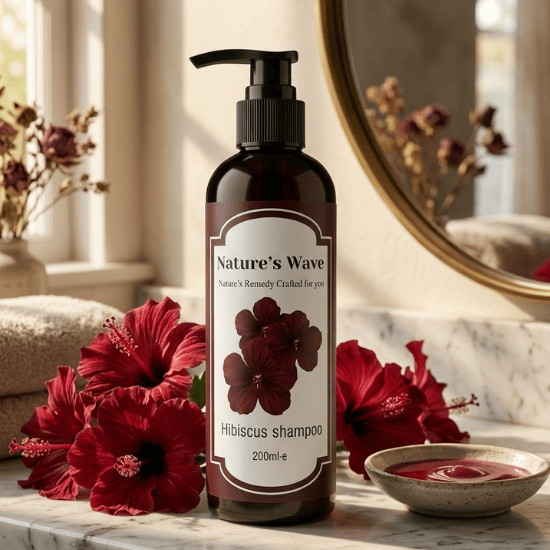
If you are looking for a trusted herbal option, Nature’s Wave Hibiscus Shampoo is specially formulated for Pakistani hair needs.
Why choose it?
- Herbal ingredients
- Free from harsh chemicals
- Designed for hair fall control
- Suitable for regular use
👉 It not only cleans your hair but also nourishes it deeply.
How to Use Hibiscus Shampoo for Best Results
- Wet your hair completely
- Apply a small amount of shampoo
- Massage gently into the scalp
- Leave for 1–2 minutes
- Rinse thoroughly
For better results, use 2–3 times per week.
💡 Pro Tip
For maximum hair growth and strength:
Use hibiscus shampoo with a herbal hair oil routine
This combination improves results significantly within a few weeks.
FAQs
Is hibiscus shampoo good for hair fall?
Yes, hibiscus helps strengthen roots and reduce hair fall naturally.
Can I use hibiscus shampoo daily?
It is gentle, but using it 2–3 times a week is recommended.
How long does it take to see results?
Most people notice improvement within 2–4 weeks.
Is hibiscus shampoo better than chemical shampoo?
Yes, because it treats the root cause instead of just cleaning hair.
Hibiscus Shampoo vs Chemical Shampoos in Pakistan
Many people in Pakistan still use chemical shampoos without realizing their long-term damage.
Chemical shampoos may give instant smoothness. However, they often contain sulfates and harsh ingredients that weaken hair roots over time.
On the other hand, hibiscus shampoo for hair fall in Pakistan works naturally. It strengthens the roots, repairs damage, and improves overall hair health without side effects.
If you want to understand this better, read our detailed guide on
“Herbal Shampoo vs Chemical Shampoo in Pakistan”
Conclusion:
Hair fall is not just a cosmetic issue — it’s a sign that your hair needs proper care.
Switching to a natural solution like hibiscus shampoo can help you restore strength, shine, and healthy growth without damaging chemicals.
If you want real results, it’s time to choose a solution that works with nature, not against it.